How to Make Your Home Cozy. Simple Ways to Create Warmth

If you have ever walked into a home and instantly felt your shoulders relax, your breath slow, and your body soften, you already understand the magic behind learning how to make your home cozy. A cozy home is not about trends or expensive decor. It is about atmosphere. It is about warmth, comfort, and a sense of emotional safety that greets you the moment you step inside.
Learning how to make your home cozy is really about understanding how you want your space to feel. A welcoming home feels lived in, gentle, and inviting rather than stiff or overly styled. It becomes a place that supports rest, sparks creativity, and holds everyday life with a sense of calm, offering grounding comfort instead of overwhelm.
The good news is that you do not need a full makeover to create a cozy home. Small, intentional changes can completely transform the way your space feels. Let us walk through exactly how to make your home cozy, step by step, in a way that feels natural, timeless, and deeply comforting.
What Cozy Really Means When Learning How to Make Your Home Cozy
Before diving into decor choices, it helps to understand what this feeling actually represents. Warmth in a home is not tied to one specific design style or aesthetic. It is an experience. It is the sense of ease you feel when you walk into a space and your body naturally relaxes.
A welcoming home feels warm rather than stark.
It feels calm rather than visually noisy.
It feels personal rather than carefully staged for display.
When you focus on creating this kind of environment, you are designing a space that supports rest, comfort, and emotional balance. Thoughtful interiors appeal to the senses. Soft lighting that soothes the eyes. Textures that feel gentle and grounding. Colors that create warmth rather than tension. Familiar objects that carry meaning and memory.
All of these elements work together to shape how a home feels on a deeper level. When a space is designed with intention and care, it becomes a place that invites you to slow down, exhale, and feel supported in everyday life.
Many people are drawn to this feeling through specific design styles, whether that is the romance of Victorian interiors, the depth of dark academia, or the softness of French country spaces.
Research shows that physical surroundings — like natural light, air quality, and noise — can directly shape mood, stress, and emotional well-being, supporting why intentional design matters for how a space feels.
Make Your Home Cozy With Soft, Layered Lighting
One of the fastest ways to learn how to make your home cozy is to change your lighting. Lighting has a powerful effect on how a space feels, yet it is often overlooked. Swapping out lighting is one of the simplest changes you can make, and choosing warm-toned bulbs or soft table lamps can completely change how a room feels.
To make your home feel cozy, focus on warm, layered light instead of relying on harsh overhead fixtures.
Use table lamps and floor lamps to create pockets of light throughout your home. Choose warm light bulbs instead of cool or daylight tones. Candles also play a beautiful role in cozy house ideas, adding a gentle glow that instantly softens a room.
When learning how to make your home cozy, think of lighting as atmosphere rather than function alone. A softly lit room will always feel warmer and more inviting than one that is brightly lit from above.

Use Textures and Soft Materials to Create Warmth
Texture plays a powerful role in how a space feels. If your home looks flat, stark, or unfinished, adding layers of texture can instantly shift the mood and bring a sense of comfort and depth.
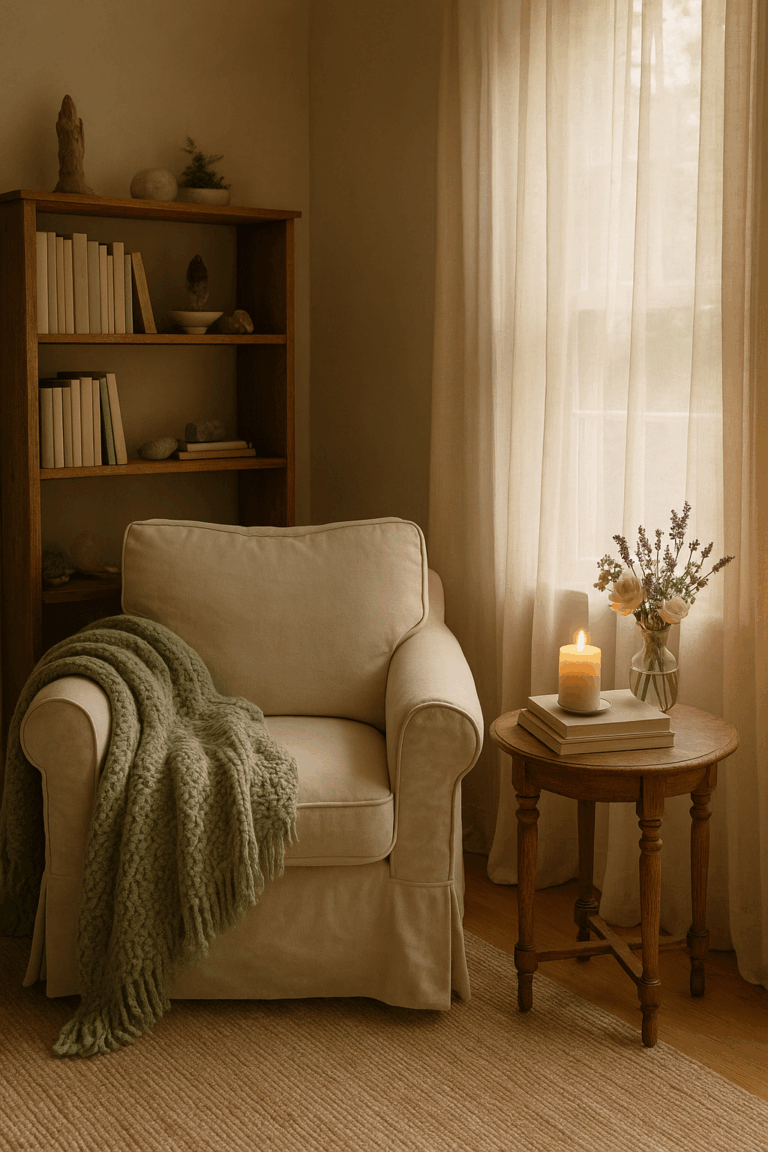
Incorporate soft materials throughout your space in a way that feels natural and effortless. Throws draped over chairs, pillows layered on sofas and beds, area rugs that add warmth underfoot, and curtains that soften windows all help create a more inviting atmosphere. These elements encourage relaxation and make a space feel more lived in.
Natural fabrics like cotton, linen, wool, and knit materials tend to work especially well. They feel breathable, tactile, and comforting in a way that synthetic materials often do not. Mixing textures, such as pairing smooth linens with chunkier knits or woven rugs, adds visual interest without overwhelming the space.
The goal is not excess. It is balance. A few thoughtfully chosen layers can make a room feel warm, grounded, and welcoming without tipping into clutter. Texture should enhance comfort, not distract from it.
Certain design styles naturally lean into layered textures and softness. Romantic vintage spaces, Victorian-inspired homes, and French country interiors often rely on fabric, drape, and natural materials to create warmth and depth throughout a room.

Cozy home Using Warm and Inviting Colors
Color plays a major role in how to make your home cozy. While bright whites and cool grays can look clean, they often feel stark or impersonal if overused.
To make your home feel warm and cozy, lean toward warm neutrals and muted tones. Creamy whites. Soft beiges. Warm taupes. Earthy browns. Gentle greens. Dusty blues. Muted blush tones.
These colors reflect light softly and create a calming home environment. When you are deciding how to make your home cozy, think about how colors make you feel rather than what is currently trending.
Even small changes, like swapping out pillow covers or adding a warm toned throw, can help your home feel more inviting.
Make Your Home Feel Warm Using Scent and Sensory Details
When learning how to make your space feel comforting and inviting, scent is one of the most powerful and often overlooked elements. Smell is deeply connected to memory and emotion. The right scent can instantly create a sense of familiarity, safety, and ease.
Focus on soft, subtle fragrances rather than anything overpowering. Candles with notes like vanilla, amber, sandalwood, cedar, or gentle florals help create a warm and welcoming atmosphere. Linen sprays, essential oil diffusers, or light incense can also add depth and softness to the sensory experience of your space.
Simmer pots are another beautiful way to bring warmth into your home. A pot of warm water with citrus peels, herbs, or spices releases a natural scent that fills the space slowly and gently. These small details help your home feel lived in, cared for, and intentionally nurtured.
Comfort is not only visual. A welcoming home engages all the senses. Soft lighting, warm textures, and familiar scents work together to create an environment that feels grounding, calm, and emotionally supportive.
Smell is closely linked to memory and emotion, and scientists explain that scents tied to personal memories can promote relaxation and reduce stress.

How to Make Your Living Room Cozy With Furniture and Layout
Your living room plays a major role in how to make your home cozy because it is often where you relax, gather, and spend the most time. The layout of your furniture matters just as much as the decor itself.
To create a cozy living room, arrange seating in a way that feels connected and intentional. Furniture should encourage conversation and comfort rather than feeling scattered or pushed too far apart. Sofas and chairs feel cozier when they face each other or are anchored by a rug.
Avoid leaving large empty spaces between furniture when possible. Bringing pieces closer together helps your living room feel more intimate and welcoming. Even in small spaces, thoughtful placement can make your home feel warm and cozy rather than cramped.
When learning how to make your home cozy, think of your living room as a place of ease. The goal is a space that invites you to sit down, relax, and stay awhile.

How to Make Your Living Room Cozy With Small Decorative Details
Once the layout feels right, small details can elevate the coziness of your living room. These details are often what transform a room from simply decorated to truly comforting.
Add throws that are easy to reach and pillows that invite comfort rather than formality. Place books, trays, or candles on coffee tables and side tables to create a lived-in feel. Lamps placed at different heights help create soft, layered lighting that makes your home feel warm and inviting.
These cozy living room details do not need to be perfect or symmetrical. A slightly undone look often feels more natural and comforting. When focusing on how to make your home cozy, these small touches create warmth without effort.
Make Your Home Cozy by Creating a Cozy Bedroom
Your bedroom should feel like a retreat. When focusing on how to make your home cozy, the bedroom is a space where comfort matters most.
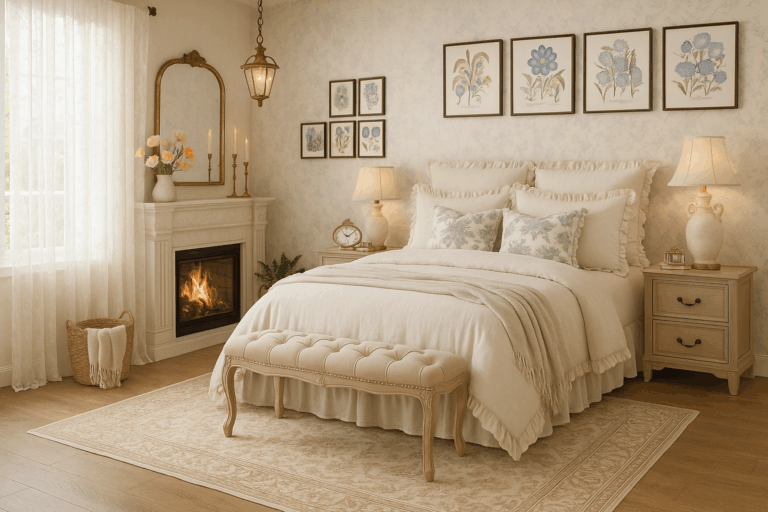
Start with bedding. Layering is key. Use soft sheets, a comfortable duvet, and an extra blanket or quilt. Add pillows that invite you to rest rather than just look decorative.
Lighting is especially important in a cozy bedroom. Bedside lamps with warm bulbs create a calm atmosphere that supports rest. Avoid harsh overhead lighting in the evening.
Personal touches matter here too. Books you love. Meaningful art. Objects that make you feel safe and at ease. A cozy bedroom supports deep rest and emotional comfort.
Bedrooms are often where personal style shows up most clearly. Romantic European influences, French cottage elements, and vintage-inspired decor all lend themselves beautifully to creating spaces that feel soft, restful, and deeply personal.

How to Make Your Home Cozy With Personal and Meaningful Decor
A truly cozy home feels personal. When learning how to make your home cozy, avoid filling your space with decor that feels generic or impersonal.
Display items that tell your story. Books you love. Art that resonates with you. Photographs. Collected objects. Handmade pieces. These details bring soul into your space.
Cozy home decor ideas work best when they feel authentic. Your home should reflect who you are, not just what looks good online. Personal touches create emotional warmth, which is just as important as visual warmth.
Make Your Home Cozy on a Budget
You do not need to spend a lot of money to learn how to make your home cozy. Some of the most effective changes cost little or nothing at all.
Rearranging furniture can instantly change how a room feels. Swapping light bulbs for warmer tones is inexpensive and impactful. Thrifting for throws, baskets, or lamps can add texture and charm without a high price tag.
Even decluttering can make your home feel more cozy. Removing visual noise allows the comforting elements of your space to shine. When learning how to make your home cozy, simplicity often works better than excess.
Make Your Home Cozy Through Daily Rituals and Habits
How to make your home cozy is not only about decor. It is also about how you use your space every day. Small rituals can completely change how your home feels.
Opening curtains in the morning to let in natural light helps your home feel alive and welcoming. Lighting candles or lamps in the evening signals a shift into rest and calm. Playing soft music, making tea, or tidying one small area can help your home feel supportive rather than overwhelming.
These daily habits create rhythm and warmth. A cozy home is one that reflects how you live, not just how it looks. When your routines align with comfort and intention, your home naturally feels more inviting.
Make Your Home Cozy Through Atmosphere and Intention
Beyond decor, how to make your home cozy is also about intention. The way you use your space matters.
Burn candles in the evening. Open curtains during the day to let natural light in. Play soft music. Create small rituals that make your home feel alive and supportive.
A cozy atmosphere is created through daily habits as much as decor choices. When your home supports your rhythm and lifestyle, it naturally feels warmer and more inviting.
How to Make Your Home Cozy. Frequently Asked Questions
How do I make my home cozy without clutter
To make your home cozy without clutter, focus on fewer items with more intention. Choose soft textures, warm lighting, and meaningful decor instead of filling every surface. Cozy homes feel calm, not crowded.
What colors make a home feel cozy
Warm neutrals, soft earth tones, and muted colors help make your home feel cozy. Creams, beiges, warm browns, soft greens, and dusty blues create a calming and inviting atmosphere.
Can small homes or apartments feel cozy
Absolutely. Small spaces often feel cozy naturally when decorated with intention. Thoughtful furniture placement, layered lighting, and soft textures can make any home feel warm and comfortable.
What is the fastest way to make your home cozy
The fastest way to make your home cozy is to change the lighting. Adding warm light bulbs, lamps, or candles instantly transforms the atmosphere of a space.
Cozy Is a Feeling, Not a Style
At its core, learning how to make your home cozy is about creating a space that feels safe, comforting, and nurturing. Cozy is not one look. It is not one color palette. It is not one design style.
A cozy home reflects you. It holds space for rest, creativity, and everyday life. It invites you to slow down and feel at ease.
Start small. Add one lamp. One throw. One meaningful object. Cozy is built gently, over time. And when you focus on how to make your home cozy with intention and care, your space will begin to feel like a true sanctuary.